
Roof Valley Repair in Orangevale, CA
- 4.8 from 490 Reviews
- Workmanship Warranty
- Financing Available
- Insurance Claim Help
A water stain on the ceiling below a roof valley is a warning sign. A valley carries water from two slopes at once. When it wears out, leaks follow. Porter Roofing repairs worn and leaking valleys for Orangevale homeowners. Start by checking the ceiling and the attic below it. A quick look can tell you if the valley is the source. If you think your valley is leaking, call (916) 526-3505 or ask for a free estimate.
Why Do Roof Valleys Leak in Orangevale?
Roof valleys leak in Orangevale because water from two roof slopes funnels down one narrow channel. GAF says valleys meet heavy moisture, which makes them prone to leaks. Valleys also collect leaves, twigs and dirt. A roofer can check which part of your valley has failed and what repair it needs.
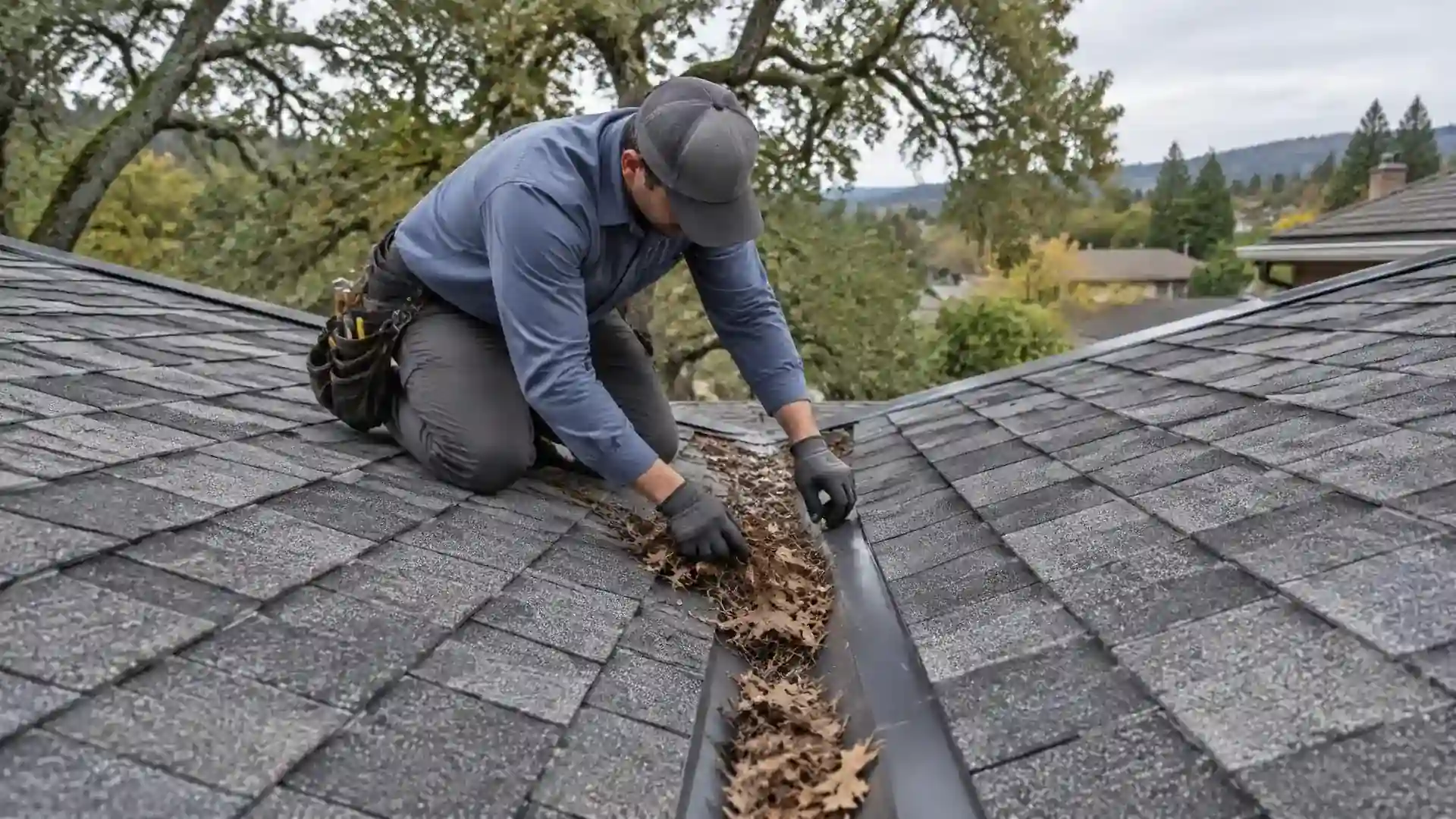
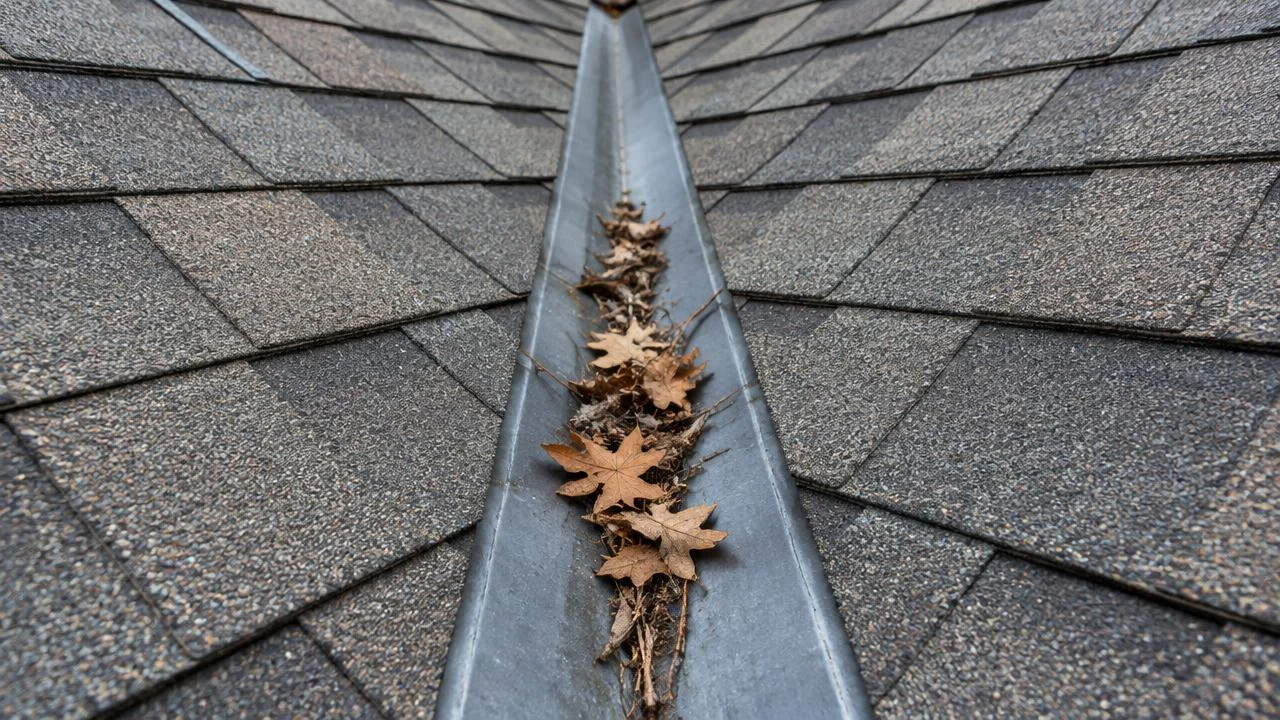
- Packed debris. Leaves, twigs and dirt can clog the valley and let moisture seep under the shingles.
- Damaged metal lining. Open valleys use metal flashing laid over underlayment. GAF lists damaged flashing as a warning sign.
- Damaged shingles. GAF also lists visible shingle damage as a warning sign that a valley needs attention.
- Underlayment. Professional Roofing says upgrading valley underlayment should help provide a watertight seal at valleys.
Open, Closed-Cut and Woven Valleys Explained
Roofers build valleys in a few ways. For the details, read this trade group article on how roof valleys are built.
An open valley has a metal lining over the base layer, and you can see the metal from the ground. A closed-cut valley looks different. Shingles from one slope run through the valley, so it looks like plain shingles.
A woven valley has shingles from both slopes overlapped in a weave. The National Roofing Contractors Association does not recommend woven valleys, because they hold more debris. Valley styles can differ from one Orangevale home to the next. Not sure which one you have? A roofer can tell you when they look at your roof.
Signs a Roof Valley Needs Repair
Many valley problems show from the ground or the attic. Look for these signs on your Orangevale roof.
| What you see | What it may mean |
|---|---|
| Brown ceiling stains below a roof valley | Water may be getting in along the valley |
| Shingle grit in the gutter at the end of the valley | The shingles in the valley are wearing out |
| Gaps, damage or bent metal in the valley | The metal lining has failed |
| Leaves and twigs packed in the valley | Debris is holding water against the roof |
| Cracked or curled shingles at the valley edges | Water can slip under the edges |
| Dark, damp wood in the attic under the valley | Water has been getting in for a while |
What to Do Before the Roofer Comes
A few steps now protect your home and help the roofer find the problem fast. Start by looking at the valley from the ground. Binoculars help you spot rust, packed leaves and curled shingles.
Then check the attic under the valley with a flashlight. Look for dark wood and damp insulation. Put a bucket under any drip and move your things out of the way.
Photograph each stain and write down when you first saw it. Stay off the roof, because GAF says inspecting from the ground is safer. Homeowners near Twin Lakes Elementary on Main Avenue can call us about a valley repair. Storm damage in Orangevale? We help with your insurance claim.
Describe the stain and where it is. We will help you find the cause.
Repair or Replace a Roof Valley: What Often Fits
A roofer looks at how far the damage runs before picking a fix.
| What a roofer finds | What often fits |
|---|---|
| Damage in one short stretch, with the rest sound | A spot repair |
| Packed debris, but sound metal and base layer | Clearing and a small repair |
| Rust, cracks or gaps along the whole valley | A new valley lining |
| Wet or soft wood under the valley | Wood repair, then the valley |
| Leaks that return after patches | A full valley rebuild |
| Worn shingles across the whole slope | A roof replacement may fit |
Roof cement spread over a valley may stop a drip for now. It can also trap water and hide how far the damage goes. Wet Orangevale winters can make hidden damage grow.
How a Good Valley Repair Goes
Each Orangevale roof is different, but a good repair follows this order.
- Find the water's path
The roofer follows the stain back to the valley and checks the slopes that feed it.
- Clear the channel
Leaves, twigs and dirt come out so the roofer can see the metal and shingles.
- Look under the surface
The base layer and the wood under the valley get checked for water damage.
- Replace what failed
Worn lining, cracked shingles and a damaged base layer are replaced. Bad wood is fixed.
- Set it to shed water
New material is laid so water runs down the middle of the valley and off the roof.
- See the finished valley
The roofer points out what was done and what to keep an eye on.
Get a free estimate and find out what is going on up there.
What Changes the Cost of a Roof Valley Repair
Valley repairs vary a lot, and a few things drive the price. The length of the damaged stretch matters first. A short stretch is a smaller job than the full length of the valley.
What failed matters too. Packed debris is simpler than rusted lining or a bad base layer. Soft or wet wood under the valley adds repair work.
Steep slopes and tall homes call for more care and set-up. Shingle, tile and metal valleys on Orangevale homes each need different parts and skills. Seeing the valley in person is the only way to get a fair number. Porter Roofing gives free estimates. Financing available.
Check Your Roof Valley, Then Keep It Clear
Once the first rain has passed, check the work from inside and from the ground. These four signs tell you the repair is holding.
- The ceiling stain is dry and has stopped growing.
- Attic wood under the valley is dry.
- The valley looks smooth, with no gaps or loose edges.
- Rain runs down the center of the valley and off the roof.
Oak trees are common in Orangevale. Their leaves, twigs and acorns slide down both slopes and pile up in the valley. Wet winters turn that pile into a sponge.
Clear the valley before the rainy season and after big storms. Ask a tree service about branches over it, so fewer leaves land there. Ask a roofer to do the clearing, since valleys are slippery.
Roof Valley Questions in Orangevale
Roof valley repair costs depend on how long the damaged stretch is and what failed. Packed debris is simpler than rusted lining or soft wood underneath. Roof pitch and material matter too. A steep slope or a tall home takes more set-up. A roofer must see the valley to give a fair number. A free estimate from Porter Roofing is the next step, and financing is available.
A roof valley leak usually starts with packed debris, damaged lining or damaged shingles. A valley carries water from two slopes, so small flaws matter more there. A roofer can trace the stain back to its real source and tell you what needs repair. Check the ceiling and the attic below the valley for stains. Take photos and note the date.
Fixing a leaking roof valley yourself is not safe. Roof cement or tape may slow a drip for a short while. It can also trap water and hide the damage. Valleys are steep and slippery, especially when wet or covered in leaves. The safer choice is to stay on the ground, take photos and call a roofer. A roofer can see how far the damage runs and fix the cause.
Roof valleys should be cleaned before the rainy season and after big storms. Do it more often if oak branches hang over your roof. Leaves and twigs pile up where two slopes meet. Wet debris holds water against the roof, which is how small leaks start. Do not climb up yourself, since valleys are slippery. A roofer can clear the debris and look for wear at the same time.
All Roof Repair Services in Orangevale
Get Your Free Roof Valley Repair Estimate in Orangevale
Tell us about the stain or the damaged valley. Fill out the form or call (916) 526-3505.