
Types of Attic Insulation in Orangevale, CA
- 4.8 from 501 Reviews
- Workmanship Warranty
- Financing Available
- Insurance Claim Help
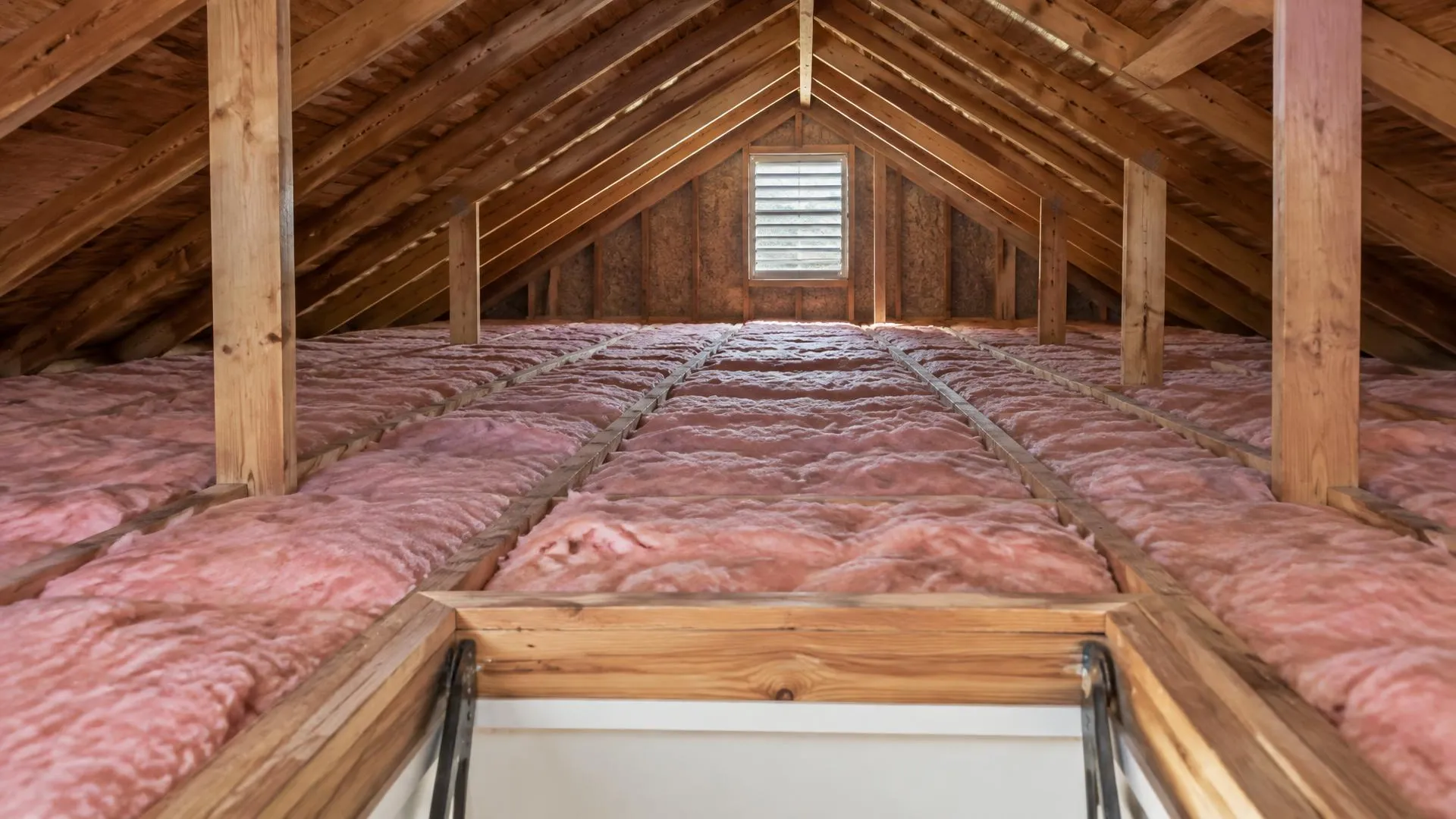
Attic insulation comes in a few types, and each type suits a different attic. Batts and rolls, loose-fill, sprayed foam and rigid foam board are the ones this page covers. To see how attic insulation works as a whole, read attic insulation in Orangevale. The facts here come from federal guides, not a sales sheet. Call (916) 526-3505 or ask for a free estimate, and we can talk through your Orangevale attic.
What Are the Types of Attic Insulation?
Four common types of attic insulation are batts and rolls, loose-fill, sprayed foam and rigid foam board. The Department of Energy's Energy Saver guide describes each one, plus reflective systems. It lists loose-fill and sprayed foam for unfinished attic floors. Which type fits depends on your attic, so a roofer should see it first.
The guide lists other types too, such as insulating concrete forms and structural insulated panels. It says both are for new construction. This page leaves them out, since an existing attic is a different job.
How Do the Types Compare for an Attic?
Each type has its own strengths, and the guide lists them side by side. You can read the full list in the Energy Saver insulation types guide. The table below pulls out the rows that touch an attic. The notes follow the guide's own wording.
| Type | What the Energy Saver guide says |
|---|---|
| Batts and rolls | Flexible fibers, most commonly fiberglass, fitted between joists and beams. |
| Loose-fill | Blown into place with special equipment. It suits irregular areas and spots around obstructions. |
| Sprayed foam | Applied from small spray containers or as a pressure sprayed product. Unfinished attic floors are listed. |
| Rigid foam board | High insulating value for little thickness. Indoor use needs a fire-safe cover, such as half-inch gypsum board. |
| Reflective system | Foils, films or papers fitted between joists and rafters. Spacing and the number of foils affect how well it works. |
Notice what the table leaves out. It does not rank the types, and it does not name a winner for every attic. The choice turns on your attic floor, your roof and what is there now. Bring the table along to your estimate.
What Suits an Attic Floor in Orangevale?
ENERGY STAR notes that most contractors use blown-in, loose fill insulation for attic floors. Typical materials are fiberglass or cellulose. Its page gives fiberglass, cellulose and mineral wool an R-value of about three to three and a half per inch. The higher the R-value, the more a material resists heat moving through it.
For a home near Walnut Avenue or elsewhere in Orangevale, the attic floor is the part these types cover. The Building America Solution Center, a Department of Energy resource, says blown loose-fill and batts both suit a vented attic. Its spray foam page says the same. Your estimate can settle whether your attic is vented.
How Do Batts, Loose-Fill and Foam Differ in Practice?
Batts and rolls depend on a tight fit. The Solution Center's batt page names no gaps, voids or compression as part of a professional install. It adds that a second layer is typically run across the first, to cover the tops of the joists. ENERGY STAR says rolls laid on an attic floor should be unfaced.
Loose-fill depends on even coverage. The Solution Center says the depth should be even across the attic. The Energy Saver guide says loose-fill R-value does not rise in step with thickness. The material settles denser as it gets deeper.
Sprayed foam can add insulation and seal the attic floor in one step, says the Solution Center. That page names closed-cell foam as the preferred product for this use. The Energy Saver guide says most foam types need special equipment, certification and experienced installers. Your estimate can sort out which of those parts apply to your attic.
Tell us what you notice from inside the house, and ask for a free estimate.
Why Should an Orangevale Roofer Check the Roof First?
The Solution Center notes that many older homes have little or no attic insulation. It also says hazardous conditions and materials should be removed or fixed before retrofit work begins. Porter Roofing does gutter and insulation work, so one company can look at the roof and the attic.
For a home near Madison Avenue or anywhere in Orangevale, tell us what you notice from inside the house. A stain on a ceiling or a room that runs hot is worth mentioning. Photos from the yard help too.
What Makes One Insulation Type Cost More Than Another?
No page can name your price, since a roofer has to see the attic. The Energy Saver guide does say foam products and installation usually cost more than traditional batts. Three things move the cost from one type to the next.
How the type goes in.Loose-fill is blown in with special equipment, and foam needs special equipment and certification.
What is already there.The Solution Center says leaks and hazards are dealt with first, and that work is part of the job.
The size of the floor.A wider attic floor takes more of whichever material you pick.
A written scope that names the type of insulation and the area it covers makes bids easy to compare. Porter Roofing gives free estimates for attic work. Financing available.
Ask for a free estimate and a written scope that names the type.
Questions About Attic Insulation Types
The right type of attic insulation for your home depends on your attic. A roofer should look at the attic before anyone names a type. The Department of Energy's Energy Saver guide lists loose-fill and sprayed foam for unfinished attic floors. ENERGY STAR says most contractors use blown-in, loose fill for attic floors. Porter Roofing does gutter and insulation work, so ask us about your attic and request a free estimate.
Spray foam insulation can suit an attic, and the federal guides explain the trade-offs. The Building America Solution Center says it can add insulation and seal the attic floor in one step. The Energy Saver guide says foam usually costs more than batts and needs experienced installers. Ask Porter Roofing whether it fits your Orangevale attic, and request a free estimate.
How much attic insulation you need depends on what your attic holds now. ENERGY STAR says insulation at or below the level of the floor joists probably needs more added. It gives levels as R-values, which measure resistance to heat flow. Leave the measuring to a roofer. Ask Porter Roofing for a free estimate and we will name what your attic needs.
Four inches of attic insulation may or may not be enough, because depth alone does not settle it. ENERGY STAR gives fiberglass, cellulose and mineral wool an R-value of about three to three and a half per inch. The Energy Saver guide adds that thicker loose-fill does not raise R-value in step. A roofer can check the type, the depth and the level your attic needs. Get a free estimate for your attic.
Yes, the roof should be checked before new attic insulation goes in. The Building America Solution Center says to inspect the roof and attic and repair any leaks before retrofit work. It also says hazardous conditions come out or get fixed first. Porter Roofing does gutter and insulation work, so we can look at both. Ask for a free estimate on your Orangevale attic.
Request a Free Attic Estimate in Orangevale
Tell us about your attic using the form below, or call (916) 526-3505.